

Loyalty points usually expire on a clock the program sets. That clock often runs from your last qualifying activity and may not use the date you earned each point. The rules sit in the program terms, a document most members accept without opening. Reading it once tells you the inactivity window, what counts as activity, and whether points can be reinstated.
Why the Expiry Clause Is the Least-Read Part of Any Program
Program terms are long, and the expiry clause is buried among sections on eligibility, arbitration, and partner exclusions. The clause may not be prominent on the dashboard, so check the terms directly.
The scale of these programs explains why the fine print matters. In 2005, 163 million people were enrolled in frequent flyer programs from over 130 airlines, according to Wikipedia’s overview of the model. Programs generally set rules governing how members keep balances active.
Consolidation makes the problem worse. Marriott Bonvoy became the unified Loyalty Program in February 2019, replacing three legacy programs, per Marriott’s own terms. A member who knew the old rule may be operating on a rule that no longer exists.
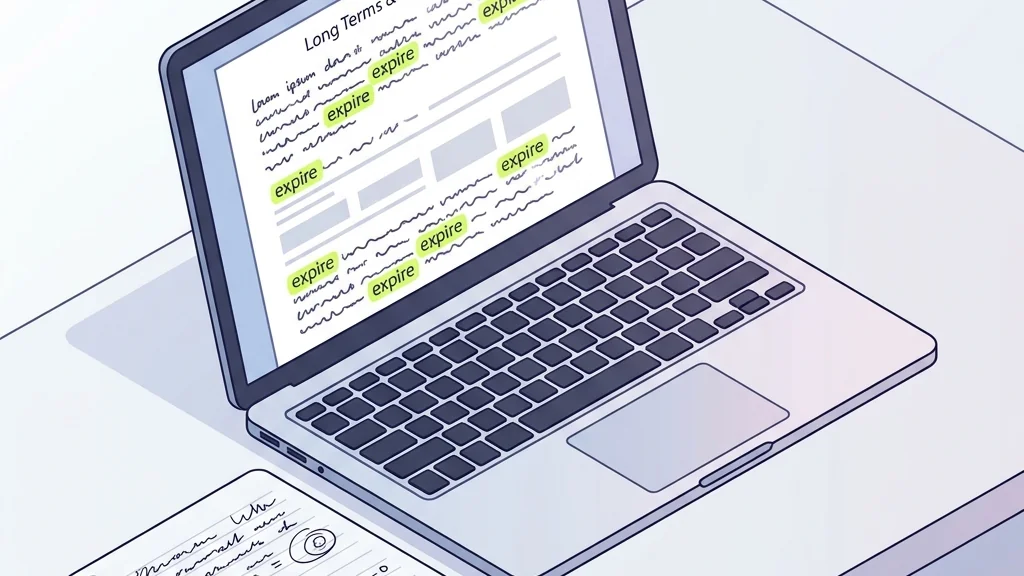
The practical lesson is simple. Treat the terms page as part of the product. If you cannot find the expiry section in a couple of minutes, search the document for the word “expire” and read every hit.

How Expiry Clocks Actually Work
Most programs tie expiry to activity. A qualifying transaction may reset the clock, depending on how the program defines that transaction.
- Rolling inactivity window. Points expire if the account shows no qualifying activity for a set period. Any qualifying earn or redeem resets the whole balance.
- Fixed anniversary expiry. Points earned in a given year expire on a set date, regardless of later activity. Activity does not save older points.
- Tiered or status-linked expiry. Higher status members get a longer window or no expiry at all, and the window shortens if you drop a tier.
Each pattern punishes a different habit. The rolling window catches dormant accounts. The anniversary model catches members who earn steadily but redeem rarely. The tiered model catches members who stop traveling or playing for a season and lose status along with their points.
The definition of qualifying activity is where most disputes start. A redemption may count while a transfer to a partner may not. A small purchase may count while a promotional bonus may not. Check the terms for the exact list. Do not assume any movement on the account keeps it alive.
Airline schemes show how generous the earning side can look while the expiry side stays strict. Some airline programs award a minimum guarantee of 500 points for non-stop flights shorter than 500 miles, per Wikipedia’s frequent flyer entry.
Where the Rules Hide in Plain Sight
The expiry clause rarely lives alone. It connects to sections on account closure, inactivity fees, partner transfers, and reinstatement, and each of those sections can change the outcome.
Look for these locations in any terms document:
- The definitions section, where “qualifying activity” and “active account” are pinned down.
- The earning section, which usually states that points expire and cross-references the expiry clause.
- The redemption section, which may impose minimum balances before you can spend.
- The account administration section, which covers dormancy, closure, and forfeiture.
- The changes-to-terms section, which lets the program alter the window with notice.
The changes clause deserves particular attention. Many program terms reserve the right to amend expiry rules, and notice may arrive as an email you filter out or a banner you scroll past. A member who last read the terms years ago may be working from a rule the program has since replaced.
Community discussion helps here, provided you read it critically. A forum thread on how to judge moderation, trust, and transparency in a pokies forum will show you how experienced members separate a genuine rule change from a rumour, and that habit transfers directly to reading loyalty terms.
A Step-by-Step Check of Your Own Accounts
The goal is to know, for each program, when the clock runs out and what resets it.
- List every program where you hold points, including hotel, airline, supermarket, and casino schemes.
- Open the current terms for each one and find the expiry clause. Save a copy or note the date you checked.
- Write down the inactivity window and the exact definition of qualifying activity.
- Find the date of your last qualifying transaction and calculate the expiry date from it.
- Check whether any points sit under an older rule, such as a fixed anniversary date, that the activity rule does not cover.
- Note the minimum redemption threshold, so you know whether you can spend the balance before it lapses.
- Set a calendar reminder well before the earliest expiry date across all your accounts.
Step four is where most people discover a problem.
For casino and pokies loyalty schemes, the same audit applies, and community knowledge shortens the work. A guide to what pokies communities actually give you shows how members pool information on point expiry, redemption thresholds, and the small transactions that keep an account active.
What Counts as Activity, and What Does Not
A member who checks the balance weekly, updates an address, or receives a promotional email has done nothing to reset the clock.
Activity that commonly qualifies:
- Earning points through a stay, flight, purchase, or wager.
- Redeeming points for a reward, even a small one.
- Transferring points to a partner, where the terms allow it to count.
- Booking through the program’s own channel rather than a third party.
Activity that commonly does not qualify:
- Logging in to the account.
- Checking a balance or downloading a statement.
- Receiving or opening a marketing email.
- Earning points that are later reversed or flagged as ineligible.
The reversal point catches people. A booking that earns points and is then cancelled can leave the account with no qualifying activity for that period, and the clock keeps running from the last valid transaction.
If the terms are ambiguous about a specific action, ask the program in writing and keep the reply. A written answer from support may be more useful than relying only on a forum consensus.
Reinstatement, Grace Periods, and the Cost of Coming Back
Some programs allow expired points to be reinstated, usually for a fee or a qualifying stay, and usually within a limited window after expiry. Others treat expiry as final. The difference is stated in the terms, and it is the single most useful line to find before you need it.
Reinstatement terms vary in three ways:
- Eligibility. Some programs reinstate only for members above a certain status, or only for points lost within a recent period.
- Cost. A fee may apply, sometimes calculated per block of points rather than as a flat charge.
- Conditions. A qualifying stay, flight, or purchase may be required before the points return.
Where reinstatement is not offered, the only defence is spending the points before they lapse. That means knowing the minimum redemption threshold and the cheapest reward in the catalogue. A small redemption that resets the clock may be preferable if the terms indicate the balance is close to expiry.
The same logic applies across program types. A member holding points in several schemes should spend the ones closest to expiry first, even at a worse redemption rate, because a lapsed point is worth nothing at all.

Mistakes That Cost Members Their Balance
Most are avoidable with a single read of the terms.
- Assuming activity means logging in. The clock resets on qualifying transactions, not on visits to the dashboard.
- Trusting an old rule. Programs amend expiry terms, and the version you read years ago may no longer apply.
- Ignoring the minimum redemption threshold. A balance below the threshold cannot be spent, so it lapses while you wait to reach it.
- Letting a partner transfer break the chain. Some transfers do not count as qualifying activity, so the clock keeps running.
- Missing the notice email. Changes to terms often arrive by email and take effect on a stated date.
- Holding out for a better reward. A modest redemption may be preferable if the terms indicate the balance is close to expiry.
The community angle is worth building into your routine. A guide to telling whether a gambling community is actually active and engaged helps you find threads where members post real expiry dates and redemption results alongside other members’ accounts.
When to Call the Program Directly
Some situations need a human on the other end after you read the terms carefully. Call or write to the program when:
- Points have expired and the terms suggest reinstatement may be possible.
- A qualifying transaction is missing from your history.
- The terms have changed and you were not notified in the way the terms require.
- A partner transaction was reversed and took your activity with it.
- Your balance sits just below a redemption threshold and you want to know your options.
Have your account number, the dates of the relevant transactions, and the clause you are relying on ready before you contact them.
Loyalty Point Expiry Rules FAQ
Do loyalty points expire if I never use them?
In most programs, yes. The terms set an inactivity window or a fixed expiry date, and points that are not spent or topped up with qualifying activity lapse. The exact rule is in the program terms, and it differs between schemes.
Does logging in keep my points alive?
Usually not. Programs typically define qualifying activity as earning or redeeming points. Checking a balance does not usually qualify. Read the definitions section of the terms to see what the program counts.
Can expired points be reinstated?
Some programs allow it, often for a fee or after a qualifying transaction, and often within a limited window. Others treat expiry as final. The reinstatement rule sits near the expiry clause in the terms.
What happens to my points if the program changes its rules?
Programs usually reserve the right to amend terms, with notice given in a stated way. The revised rule may apply from the effective date specified in the program’s terms. Keep a copy of the terms you agreed to and check for updates when you get a notice.
Is it better to spend points early or save them?
Check the minimum redemption threshold before you plan.